What Should You Eat After Paraesophageal Hernia Repair?
After paraesophageal hernia repair, your digestive system may need time to adjust as the surgical area heals. Your surgeon may recommend starting with liquids and gradually progressing to soft foods and regular-texture foods as tolerated. Following your surgeon’s instructions is important because the timing and diet progression can vary depending on your procedure and recovery.
What Is Paraesophageal Hernia Repair?
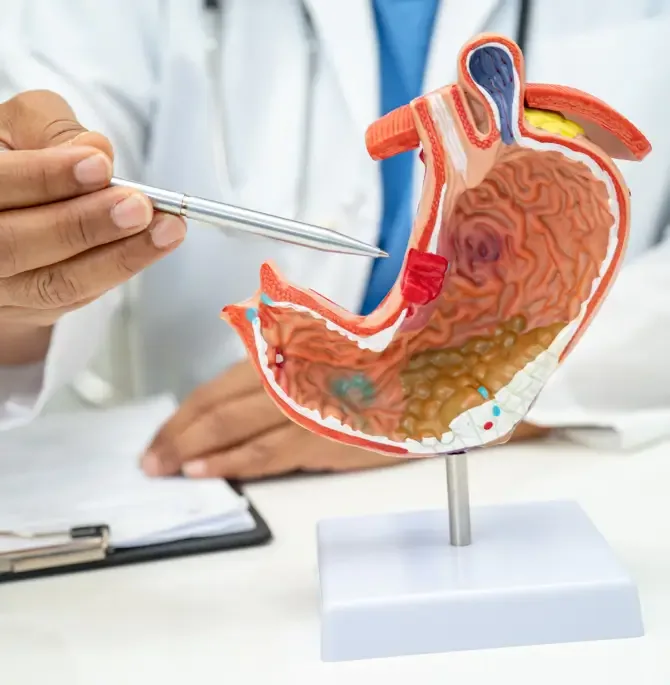
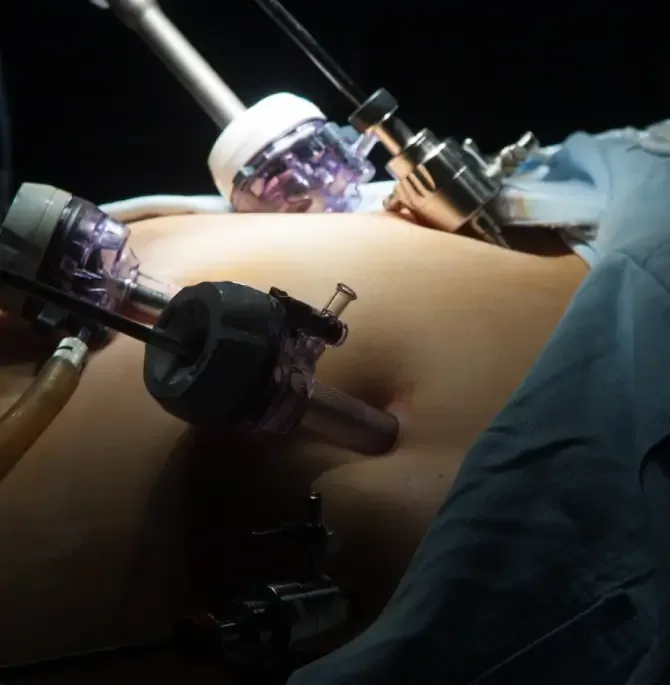
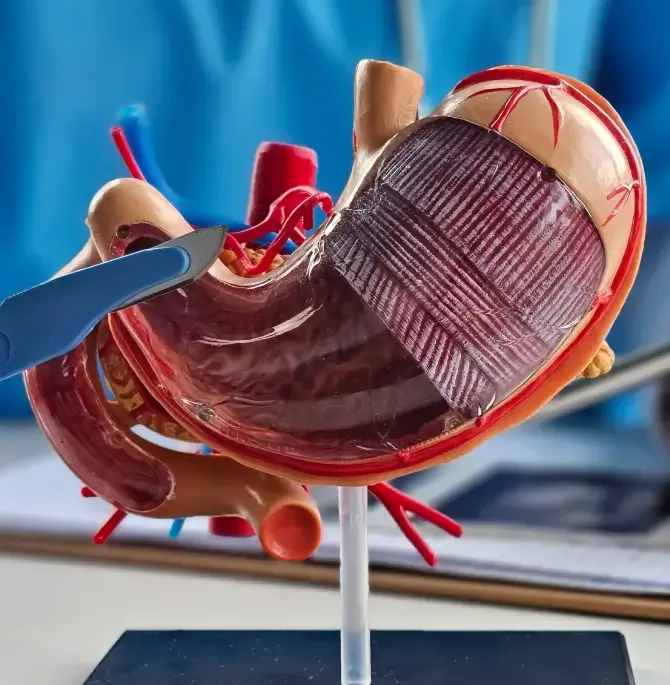
A paraesophageal hernia means part of your stomach has pushed through an opening in your diaphragm where it does not belong. The surgery moves it back into place and repairs that opening. Depending on your situation, the surgeon may also reinforce the area to reduce the chance of it happening again.
Why Does Your Diet Matter After Surgery?
Your diet can help your digestive system adjust while the surgical area heals.
- Soft foods are generally easier to swallow and digest.
- Smaller meals can reduce pressure on the stomach.
- Adequate fluids can help prevent dehydration.
- Eating slowly may reduce bloating and discomfort.
- Gradually advancing your diet can help your body adjust to solid foods.
Foods You Can Eat After Paraesophageal Hernia Repair
Your diet eases forward gradually, liquids first, then soft foods, and eventually back to the meals you are used to. Your body sets the pace, and your surgeon confirms when it is time for the next step.
Clear Liquids
In the first days after your paraesophageal hernia repair surgery, your diet will likely be limited to clear liquids, water, broth, clear juices, and electrolyte drinks. It does not feel like much, but your digestive system is just waking back up, and these are exactly what it can handle while it starts to recover.
Full Liquids
As tolerated, you may be able to add foods such as yogurt, milk, smoothies, creamy soups, and nutritional drinks. Choose options that are easy to consume and do not cause discomfort.
Soft Foods
Soft foods may include mashed potatoes, oatmeal, scrambled eggs, applesauce, cottage cheese, and well-cooked vegetables. These foods can provide important nutrients without requiring much chewing.
Soft Protein Sources
As your diet advances, soft sources of protein such as tender fish, ground poultry, eggs, and soft beans may be added. Protein is important for supporting tissue repair and recovery.
Cooked Fruits and Vegetables
Soft, cooked fruits and vegetables are a good way to get the nutrients your body needs while being gentle on your healing system. Start small and pay attention to how each food sits with you. Your stomach will tell you what it is ready for.
What Foods Should You Avoid After Surgery
Some foods can cause real discomfort while your body is still healing. Your surgeon may ask you to avoid things that are hard to digest or likely to cause gas and irritation, such as:
- Tough or chewy meats
- Raw vegetables
- Raw fruits with tough skins
- Nuts and seeds
- Popcorn
- Spicy foods
- Fried or greasy foods
- Carbonated drinks
- Very sugary foods
- Large or heavy meals
Final Thoughts
What you eat after paraesophageal hernia repair matters more than you might think. The right diet at each stage of recovery can make the difference between healing comfortably and dealing with setbacks you did not need. Everyone’s recovery is a little different, so follow your surgeon’s guidance on when to advance to new foods. If you have questions about your recovery or need guidance, contact Advanced Houston Surgical at (713) 263 3900.
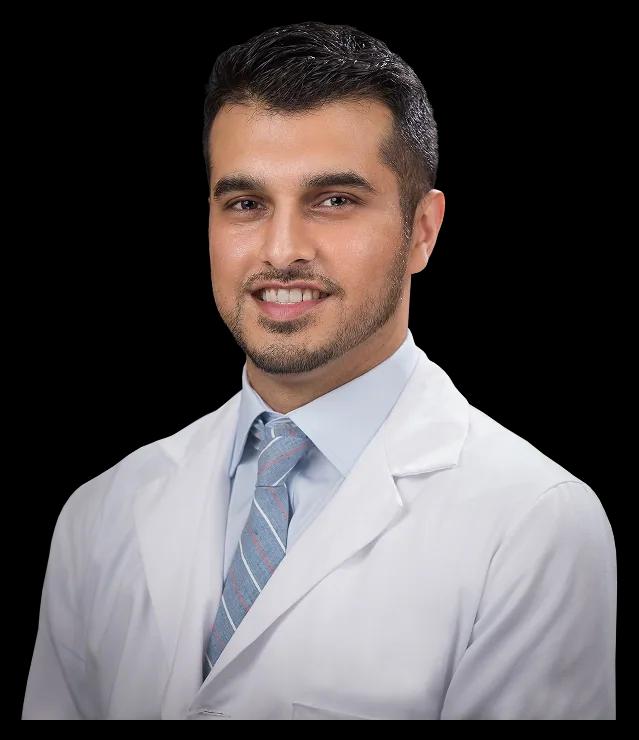
About the author: Dr. Rizwan Chaudhry
Dr. Rizwan Chaudhry is a board-certified bariatric and general surgeon in Houston. He completed his general surgery residency at the Mayo Clinic and a fellowship in advanced laparoscopic and bariatric surgery at the Cleveland Clinic, and he is Medical Director of the Weight Loss and Metabolic Center. At Advanced Houston Surgical he performs weight loss, anti-reflux and general surgery. Read Dr. Chaudhry’s full bio.
Medical disclaimer: This page is for general information only and is not a diagnosis or medical advice. Results vary from patient to patient. Please talk with a qualified physician about your own situation. Read our full medical disclaimer.