Laparoscopic Colon Surgery in Houston, TX

Colon conditions can significantly affect daily life. If you have been dealing with ongoing pain or a condition that just does not respond to other treatments, surgery might be the most effective way to finally get some relief. At Advanced Houston Surgical, Dr. Rizwan Chaudhry performs laparoscopic colon surgery in Houston, TX, using minimally invasive techniques.

What Is Laparoscopic Colon Surgery

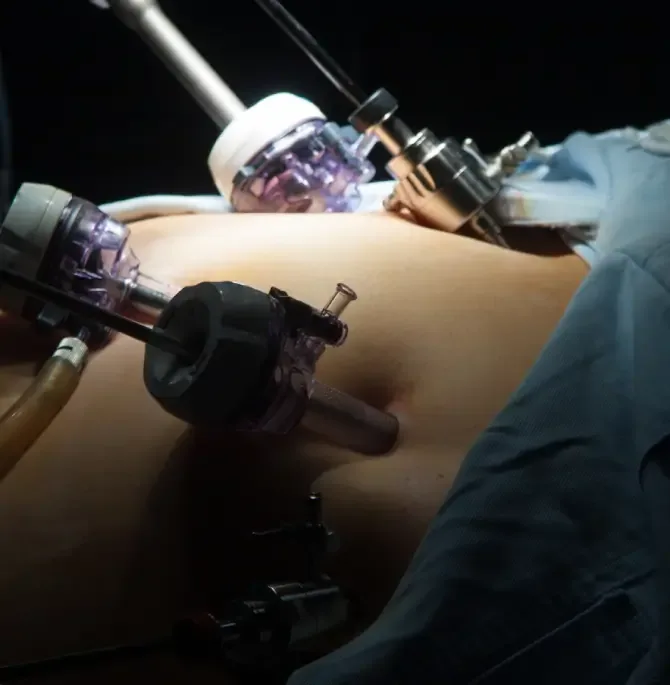
Laparoscopic colon surgery is a way of operating on the colon through small incisions instead of one large cut. A small camera called a laparoscope is inserted through one of the incisions, which lets your surgeon see inside the abdomen on a screen while operating with thin surgical instruments inserted through the other incisions.

Laparoscopic Colon Surgery

Signs That You Need Laparoscopic Surgery

Colon problems do not always present early symptoms. Some conditions build up slowly while others come on suddenly. Either way, there are certain signs that should not be ignored. If you are experiencing any of the following, it may be time to speak with a surgeon.

  • Persistent abdominal pain
  • Rectal bleeding
  • Chronic diarrhea or constipation
  • Unexplained weight loss
  • Bloating and gas that does not go away
  • A bowel obstruction
  • Failed non-surgical treatment
  • A diagnosis that requires surgical intervention

Conditions Treated with Laparoscopic Colon Surgery

During your consultation, Dr. Chaudhry reviews your history, imaging, and symptoms to decide whether laparoscopic surgery is the right approach for your specific condition. Common conditions are:

  • Diverticulitis: Surgery may be required to remove part of the colon when tiny pouches in the colon wall become infected or inflamed and do not respond to antibiotics or other therapies.
  • Colon Cancer: Laparoscopic surgery removes tumors or cancerous sections of the colon. It has become the preferred approach for many cancer surgeries because it causes less trauma to the body while still getting everything out that needs to come out.
  • Colon Polyps: Some polyps are too large or complex to remove during a colonoscopy, and in those cases laparoscopic surgery is a reliable way to take care of them without the recovery of open surgery.
  • Inflammatory Bowel Disease: Crohn’s disease and ulcerative colitis can reach a point where medication is no longer enough, and surgery becomes the most practical way to bring symptoms under control.
  • Rectal Prolapse: When part of the rectum slips out of position, surgery can reposition and secure it to restore normal function.
  • Bowel Obstruction: A blockage in the colon that does not clear on its own may require surgical removal of the affected area.

What to Expect Before, During, and After Surgery

Dr. Chaudhry reviews your medical history and any existing scans or test results during the consultation. He will walk you through exactly what you need to do to prepare in the days leading up to surgery, which usually means some dietary changes and bowel prep. The whole procedure is performed under general anesthesia.

Our surgeon makes a few small cuts and uses the laparoscope to see and work inside the abdomen. The part of the colon causing the problem is removed, and in most cases, the two ends are joined back together. How long the procedure takes depends on what needs to be done. Most patients go home after a night or two in the hospital.

Pain is managed with medication, and you will gradually move from a liquid diet to solid foods as your colon heals. Most people are back to light activity within two to three weeks and fully recovered within four to six weeks, depending on the extent of the surgery. Dr. Chaudhry and his team stay closely involved throughout your recovery with follow-up appointments to monitor your healing and make sure everything is progressing the way it should.

Why Choose Advanced Houston Surgical

Dr. Chaudhry is board-certified by the American Board of Surgery and completed his general surgery residency at the Mayo Clinic and his advanced fellowship at the Cleveland Clinic. Laparoscopic and minimally invasive surgery is not just something he offers on the side. It is the focus of his practice and something he has spent years training specifically for.

That means smaller incisions, less pain after surgery, and a faster recovery for his patients. Dr. Chaudhry takes the time to understand your condition, your history, and what you are hoping to get out of treatment before anything is decided. And when your surgery is done, his involvement does not stop there.

He follows up closely throughout your recovery to make sure everything is healing the way it should. On the insurance side, we are in network with most major PPO plans, including Blue Cross Blue Shield, United Healthcare, Cigna, Aetna, and Humana. Our team takes care of the verification and pre-authorization so you do not have to. If you need flexible payment options, we can help with that, too.

Frequently Asked Questions

How long does laparoscopic colon surgery take?

It varies with the complexity of the procedure and how much of the colon needs to be addressed. Most surgeries take between one and three hours. Dr. Chaudhry will give you a better idea of what to expect during your consultation.

When can I go back to work after laparoscopic colon surgery?

Most people return to a desk job within two to three weeks. If your work involves heavy lifting, you may need to wait four to six weeks before going back. You will require clearance from Dr. Chaudhry.

Will I need a colostomy bag after surgery?

Not always. Our surgeon reconnects the two ends of the colon during the same procedure in most cases. Dr. Chaudhry will discuss this with you before the procedure so you know what to expect.

What Our Patients Are Saying

Highly Rated Bariatric Surgical Care

Schedule Your Appointment Today!

Suffering from a colon condition? We offer laparoscopic colon surgery in Houston, TX, to relieve your symptoms. Call us at (713) 263 3900 to book your appointment.

Latest News

  • Patient Education

    What Should You Eat After Paraesophageal Hernia Repair?

    Patient EducationBy Dr. Rizwan ChaudhrySeptember 30, 2026

    After paraesophageal hernia repair, your diet may need to change temporarily. Discover food choices and eating habits that can make…

  • Patient Education

    How Does Sleeve Gastrectomy Affect Hunger and Appetite?

    Patient EducationBy Dr. Rizwan ChaudhryAugust 30, 2026

    Wondering how sleeve gastrectomy affects hunger and appetite? Find out how the procedure changes stomach capacity and may influence hunger…

  • Patient Education

    Can Weight-Related Arthritis Affect Younger Adults?

    Patient EducationBy Dr. Rizwan ChaudhryAugust 15, 2026

    Excess weight can place added stress on joints at any age. Learn how weight-related arthritis may affect younger adults and what can help…

  • Patient Education

    Is Laparoscopic Appendectomy Safe and Effective?

    Patient EducationBy Dr. Rizwan ChaudhryJune 30, 2026

    Discover how laparoscopic appendectomy works and why it is a commonly recommended procedure for treating appendicitis with minimally…

View all articles