Is Laparoscopic Appendectomy Safe and Effective?
Appendicitis is one of those medical emergencies that can catch you completely off guard. When the appendix gets inflamed and goes untreated, it can rupture and turn into a much bigger problem. The good news is that surgery for this has come a long way. Laparoscopic appendectomy is now one of the most common approaches. It uses small incisions, gets the job done with less discomfort, and most patients recover faster than they expect.
What Is a Laparoscopic Appendectomy?
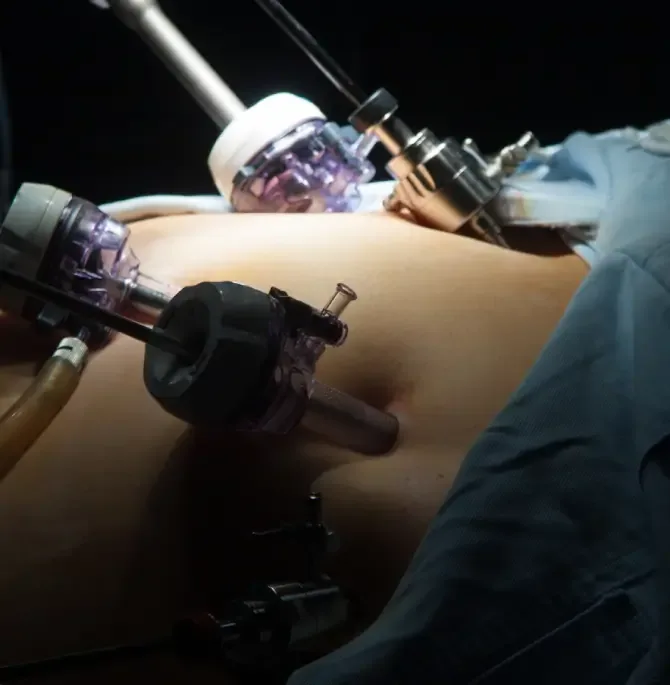
A laparoscopic appendectomy is simpler than most people expect. The surgeon makes a few small cuts in your abdomen, inserts a tiny camera to see what’s going on inside, and removes the appendix using slim surgical tools. Because the incisions are so small, your body goes through far less than it would with traditional surgery.
Benefits of Laparoscopic Appendectomy
When it comes to treating appendicitis, laparoscopic appendectomy has become the go-to choice for most patients, and for good reason. Compared to traditional open surgery, it comes with quite a few advantages that make a real difference in how you feel during recovery.
Smaller Incisions
One of the biggest differences people notice is the incisions. Rather than one large cut, the surgeon only needs a few small ones. Less tissue gets disturbed, and when everything heals up, scarring is usually minimal compared to traditional open surgery.
Faster Recovery
Recovery is usually quicker than most people expect. Many patients are back to their normal routine within a couple of weeks. It depends on your overall health and how severe things were, but for most people, the downtime is pretty manageable.
Less Pain After Surgery
Smaller incisions naturally mean less pain after surgery. Most patients find they don’t need much pain medication to get through recovery and generally feel a lot more comfortable than they would have with traditional open surgery.
Lower Risk of Infection
Because the incisions are smaller, there is generally a reduced risk of wound infections and other complications compared to open surgery.
Shorter Hospital Stay
Most patients are home within 24 hours after surgery, as long as everything goes smoothly. Beyond just the comfort of recovering in your own space, a shorter hospital stay also means lower overall costs, which is never a bad thing.
Better Visualization for Surgeons
The camera used during the procedure gives surgeons a magnified, high-definition view of everything inside, which is actually a big deal. It lets them work with a level of precision that’s hard to match and spot anything else that might need attention while they’re in there.
Why Laparoscopic Appendectomy Is Often the Preferred Approach
It’s become the go-to treatment for appendicitis because it genuinely works well for most people. It’s safe, recovery is faster, and complications are less likely than with open surgery. In more severe cases, open surgery might still be necessary, but your surgeon will know what’s right for your situation and walk you through it.
Final Thoughts
Laparoscopic appendectomy is a safe and effective treatment that helps most patients recover faster with less pain and smaller scars. If you have symptoms of appendicitis, don’t delay seeking medical care. The experienced team at Advanced Houston Surgical is here to provide expert evaluation and treatment. Call (713) 263 3900 today to schedule your appointment.

About the author: Dr. Rizwan Chaudhry
Dr. Rizwan Chaudhry is a board-certified bariatric and general surgeon in Houston. He completed his general surgery residency at the Mayo Clinic and a fellowship in advanced laparoscopic and bariatric surgery at the Cleveland Clinic, and he is Medical Director of the Weight Loss and Metabolic Center. At Advanced Houston Surgical he performs weight loss, anti-reflux and general surgery. Read Dr. Chaudhry’s full bio.
Medical disclaimer: This page is for general information only and is not a diagnosis or medical advice. Results vary from patient to patient. Please talk with a qualified physician about your own situation. Read our full medical disclaimer.