How Does Laparoscopic Sleeve Gastrectomy Change the Stomach?
When diet and exercise haven’t gotten you the results you wanted, it can feel discouraging, but you’re not alone. Laparoscopic sleeve gastrectomy is a weight loss procedure that reduces the size of the stomach, which helps you feel full sooner and manage how much you eat. Learning how it works is a good first step toward deciding what’s right for you.
What Is Laparoscopic Sleeve Gastrectomy?
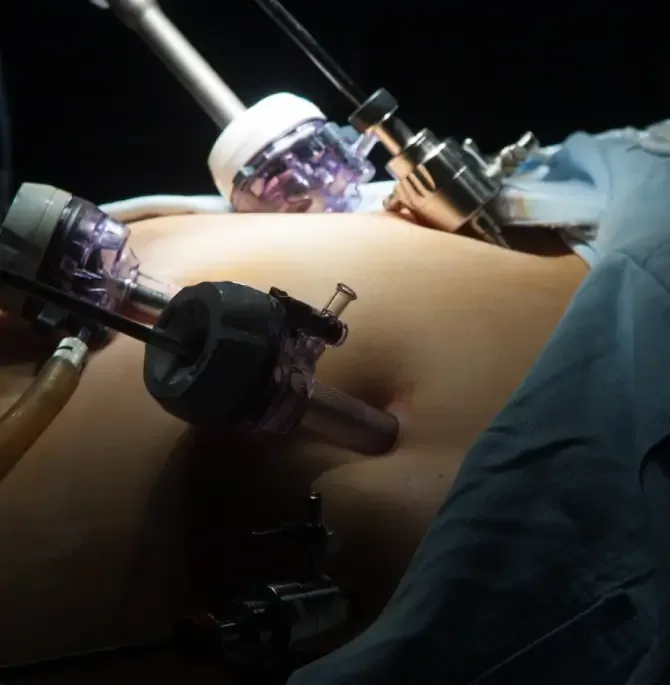
Laparoscopic sleeve gastrectomy is a type of bariatric surgery that reshapes your stomach into a narrow sleeve by removing a large part of it. Your surgeon works through a few small incisions, guided by a camera. With a smaller stomach, you’ll usually feel full after eating much less.
How Does This Procedure Support Weight Loss?
Laparoscopic sleeve gastrectomy works on weight loss in two directions. A smaller stomach means you feel full sooner, and changes to your hunger signals can quiet the constant urge to eat. Here’s how that helps you stay in control of what you eat:
- Reduces the amount of food the stomach can hold at one time.
- May decrease hunger by reducing levels of ghrelin, a hormone associated with appetite.
- Helps patients feel satisfied after eating smaller portions.
- Encourages healthier eating habits and portion control as part of a long-term weight management plan.
What Happens to the Stomach During Sleeve Gastrectomy?
During laparoscopic sleeve gastrectomy, the surgeon makes several important changes to the stomach while preserving its connection to the digestive tract.
A Large Portion of the Stomach Is Removed
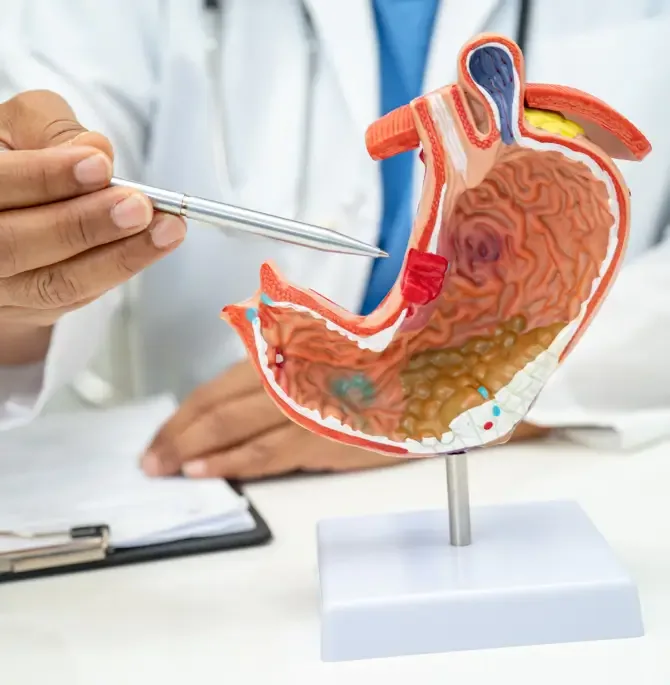
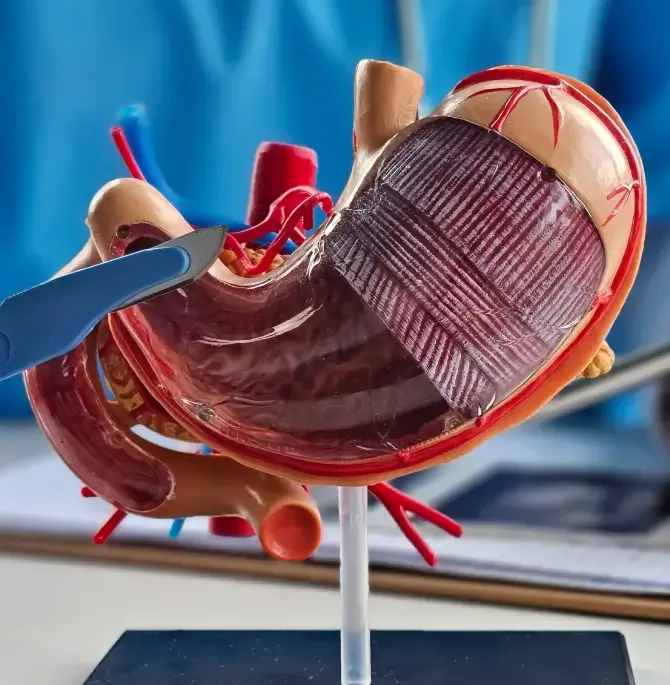
Most of your stomach is taken out in this surgery, typically about 75% to 80%, based on what you need and the plan you and your surgeon agree on. The small, sleeve-shaped piece that remains holds much less, so you feel full on far smaller meals.
The Digestive Pathway Remains Intact
Unlike gastric bypass, sleeve gastrectomy does not reroute the small intestine. Food continues to pass from the stomach into the small intestine, but the stomach’s reduced size and altered function affect how much you can eat and how your digestive system responds.
Hunger Signals May Change
Taking out a large part of the stomach can lower the amount of ghrelin your body makes. For some patients, that means feeling less hungry, though appetite changes look different for everyone.
How Does a Smaller Stomach Help With Weight Loss?
With a smaller stomach, you can only eat a little at a time before you feel full. That naturally means fewer calories, and over time the weight comes off. Surgery is a tool, though, not a guarantee. Lasting results depend on following your dietary guidance, staying active, keeping your follow-up appointments, and sticking with healthy habits.
Final Thoughts
Laparoscopic sleeve gastrectomy makes the stomach smaller and may ease hunger, giving eligible patients a real chance at meaningful weight loss. If you’re thinking about it, Advanced Houston Surgical can walk you through your options and help you decide whether surgery is right for you. Call (713) 263 3900 to learn more about weight loss treatment.

About the author: Dr. Rizwan Chaudhry
Dr. Rizwan Chaudhry is a board-certified bariatric and general surgeon in Houston. He completed his general surgery residency at the Mayo Clinic and a fellowship in advanced laparoscopic and bariatric surgery at the Cleveland Clinic, and he is Medical Director of the Weight Loss and Metabolic Center. At Advanced Houston Surgical he performs weight loss, anti-reflux and general surgery. Read Dr. Chaudhry’s full bio.
Medical disclaimer: This page is for general information only and is not a diagnosis or medical advice. Results vary from patient to patient. Please talk with a qualified physician about your own situation. Read our full medical disclaimer.