Can Weight-Related Arthritis Affect Younger Adults?
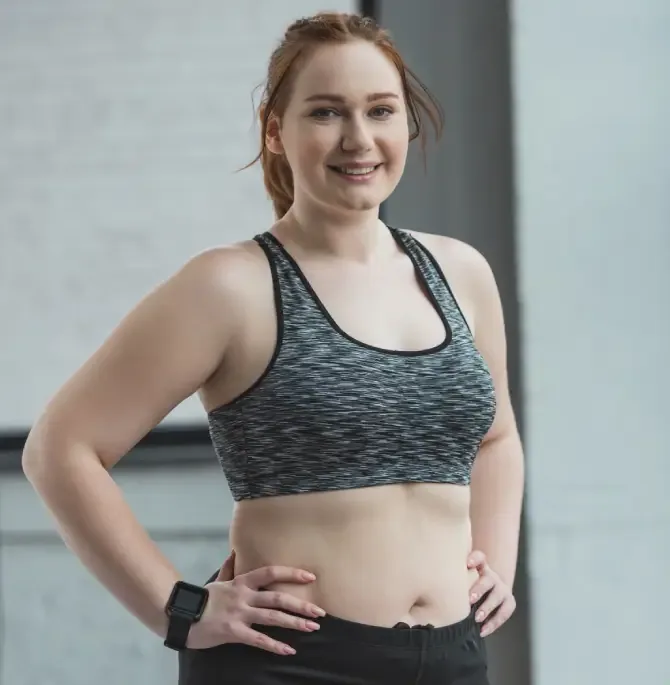
Arthritis is not just an older person’s problem. Excess body weight can place additional stress on weight-bearing joints and is associated with a higher risk of osteoarthritis, even in younger adults. The knees, hips, and lower back tend to feel it first because they bear the most load.
What Is Weight-Related Arthritis?
Weight-related arthritis is what happens when excess body weight takes a toll on your joints over time. It is not just about the physical pressure, though that matters. Fat tissue also produces inflammation that can break down cartilage from the inside. Between the added load and the ongoing inflammation, joints start to wear out in ways that cause real, lasting pain.
Can Younger Adults Develop Arthritis?
Yes, younger adults can develop weight-related arthritis. When excess weight is combined with things like a past injury, a family history of joint problems, a sedentary lifestyle, or repetitive stress on the body, arthritis can show up well before you would expect it to. Age is still a factor, but it is far from the only one.
How Excess Weight Can Affect Joint Health
Your joints feel the impact of extra weight long before the rest of your body shows it. Here are some of the ways it adds up:
Increased Pressure on Joints
Your knees, hips, and ankles absorb a tremendous amount of force every time you walk, climb stairs, or even just stand. When you carry extra weight, that force multiplies, and these joints feel it with every step.
Increased Inflammation
Most people assume joint pain from excess weight is purely mechanical, just pressure on the bones. But fat tissue does something else entirely. It releases inflammatory substances that travel through your body, quietly aggravating your joints from the inside and potentially speeding up the kind of damage that leads to osteoarthritis.
Faster Joint Wear
Think of cartilage as the cushion that keeps your joints moving without friction. When repeated stress wears it down, bone starts meeting bone. That is when pain sets in, stiffness follows, and things you used to do without thinking suddenly take effort.
Reduced Physical Activity
When your joints hurt, you move less. When you move less, muscles weaken, and weight can creep up, which puts even more pressure on the joints that were hurting in the first place. It becomes a cycle that is hard to break without the right support.
Treatment Options for Younger Adults
The right treatment is never the same for everyone. It depends on which joint is giving you trouble, how much it is affecting your daily life, and what your goals are. Some of the options include:
- Losing excess weight through sustainable nutrition and lifestyle changes
- Low-impact activities such as swimming, cycling, or walking
- Physical therapy to improve strength, flexibility, balance, and joint function
- Supportive devices, such as braces or orthotics, when appropriate
- Injections or other nonsurgical treatments for persistent symptoms
- Surgery when severe joint damage does not respond to conservative treatment
Final Thoughts
Joint pain from weight-related arthritis does not only affect older adults. If you are younger and already feeling the impact, you do not have to accept it as your new normal. At Advanced Houston Surgical, we help patients understand what is happening with their joints and find a path toward less pain and better mobility. Call (713) 263 3900 to schedule an evaluation.

About the author: Dr. Rizwan Chaudhry
Dr. Rizwan Chaudhry is a board-certified bariatric and general surgeon in Houston. He completed his general surgery residency at the Mayo Clinic and a fellowship in advanced laparoscopic and bariatric surgery at the Cleveland Clinic, and he is Medical Director of the Weight Loss and Metabolic Center. At Advanced Houston Surgical he performs weight loss, anti-reflux and general surgery. Read Dr. Chaudhry’s full bio.
Medical disclaimer: This page is for general information only and is not a diagnosis or medical advice. Results vary from patient to patient. Please talk with a qualified physician about your own situation. Read our full medical disclaimer.