How Does Sleeve Gastrectomy Affect Hunger and Appetite?
One of the things that surprises many patients after sleeve gastrectomy is how differently they feel about food. It is not just that the stomach is smaller. The surgery also affects hormones that drive hunger and fullness, so the constant urge to eat often quiets down in ways people did not expect.
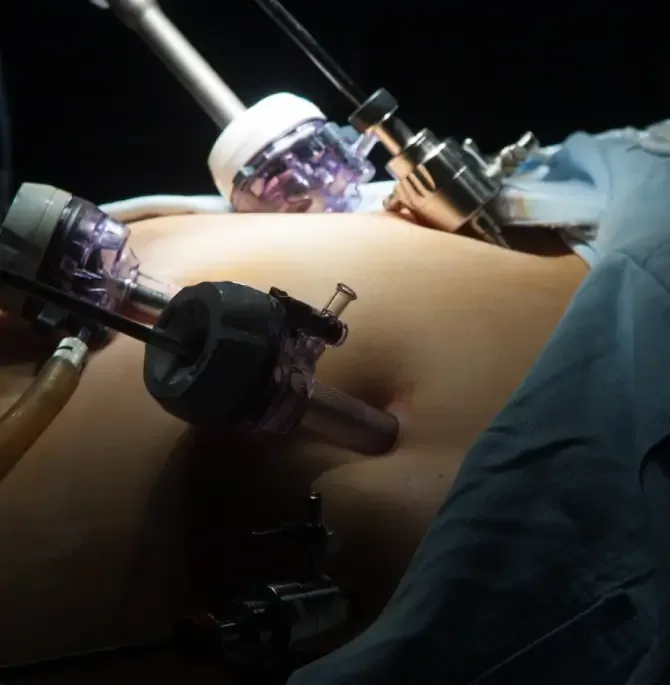
What Is Laparoscopic Sleeve Gastrectomy?
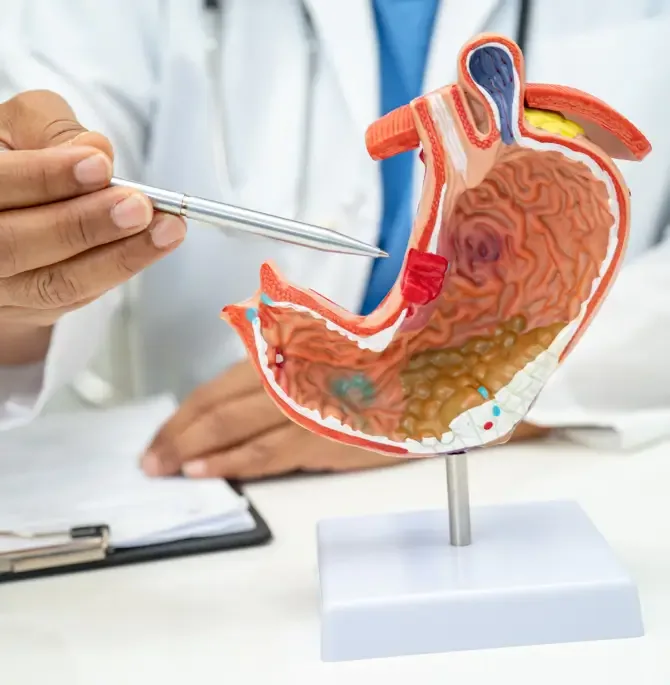
Sleeve gastrectomy removes a large portion of the stomach, leaving behind a smaller, sleeve-shaped pouch. The result is twofold. You feel full on much less food because there is simply less room. And the surgery also changes the hormones that control hunger, so for many patients, the constant drive to eat is no longer running the show.
Why Hunger and Appetite Matter After Bariatric Surgery
The more you understand about what is happening inside your body after surgery, the easier it is to navigate the changes. That awareness is what helps you build eating habits that stick and support your health for the long run.
- Feeling full sooner can make portion control easier.
- Reduced hunger may help decrease frequent snacking.
- Changes in appetite can support healthier eating habits.
- Understanding hunger cues can help patients avoid overeating.
- Appetite changes may vary from person to person and over time.
How Laparoscopic Sleeve Gastrectomy Affects Hunger and Appetite
There’s more than one reason laparoscopic sleeve gastrectomy affects hunger and appetite. The procedure involves both physical and hormonal changes.
A Smaller Stomach Can Increase Fullness
Before surgery, eating less felt like a fight. After it, your stomach simply does not ask for as much. A small meal fills you up in a way that would have seemed impossible before, and cutting back on portions stops feeling like deprivation and starts feeling like enough.
Hunger Hormones May Change
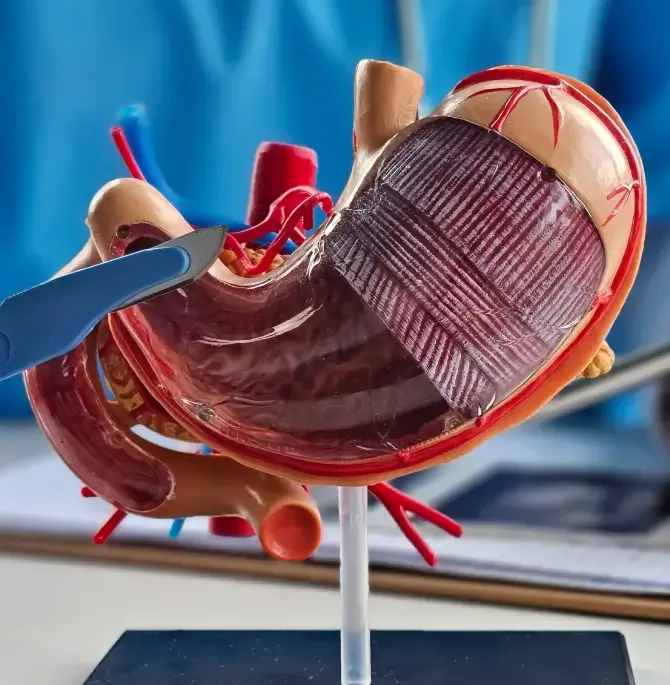
A big part of what drives hunger is a hormone called ghrelin, and much of the stomach tissue that produces it is removed during sleeve gastrectomy. For many patients, that means the persistent feeling of hunger they lived with for years becomes noticeably quieter after surgery.
Appetite May Decrease
Some people notice that they are less interested in food or experience fewer hunger sensations during the early period after surgery. This can make it easier to follow the recommended meal plan while adjusting to smaller portions.
Appetite Can Change Over Time
Do not be caught off guard if hunger starts to creep back over time. That is your body adjusting, not the surgery failing. How hungry you feel is influenced by more than your stomach size. Your habits, your activity level, your stress, and even your sleep all have a say in it.
Eating Patterns May Feel Different
Eating slowly, taking small bites, and stopping at the first sign of fullness are all part of adjusting after surgery. Following the surgical team’s dietary guidance can help patients make these changes safely.
When to Discuss Appetite Changes With Your Surgeon
If something changes in a way that catches you off guard, whether it is your appetite, the way you are eating, or a shift in your weight, do not try to figure it out alone. That is exactly what your bariatric surgery team is there for.
- Persistent loss of appetite that makes it difficult to meet nutritional needs
- Frequent hunger that makes following the recommended diet difficult
- Difficulty eating or drinking enough fluids
- Persistent nausea, vomiting, or abdominal discomfort
- Unexpected or concerning changes in weight
- Questions about portion sizes, protein intake, or dietary progression
Final Thoughts
Losing weight is not just about willpower, and sleeve gastrectomy recognizes that. By reducing stomach capacity and changing the way your body signals hunger, it can give you a foundation that diet and exercise alone may not provide. If you are considering your options, call Advanced Houston Surgical at (713) 263 3900 to talk through what might work best for you.

About the author: Dr. Rizwan Chaudhry
Dr. Rizwan Chaudhry is a board-certified bariatric and general surgeon in Houston. He completed his general surgery residency at the Mayo Clinic and a fellowship in advanced laparoscopic and bariatric surgery at the Cleveland Clinic, and he is Medical Director of the Weight Loss and Metabolic Center. At Advanced Houston Surgical he performs weight loss, anti-reflux and general surgery. Read Dr. Chaudhry’s full bio.
Medical disclaimer: This page is for general information only and is not a diagnosis or medical advice. Results vary from patient to patient. Please talk with a qualified physician about your own situation. Read our full medical disclaimer.