What Lifestyle Changes Are Needed After Laparoscopic Gastric Bypass?
Laparoscopic gastric bypass can be a turning point for people struggling with obesity and the health conditions that come with it. The surgery itself is just the beginning, though. How well it works long term comes down to the habits you build after you leave the operating table.
Recovery is an ongoing process. New eating habits, staying active, and making better choices every day are what actually drive the results. Getting those things right is what separates short-term weight loss from lasting change.
What Is Laparoscopic Gastric Bypass?
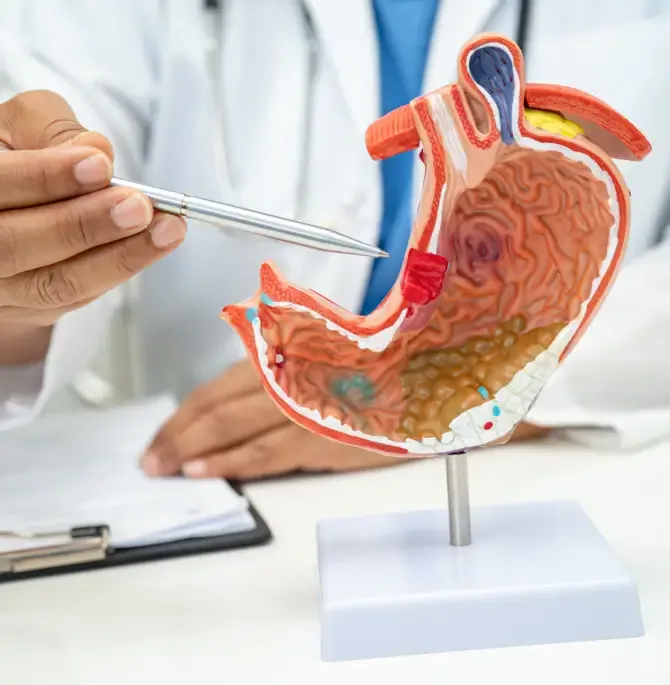
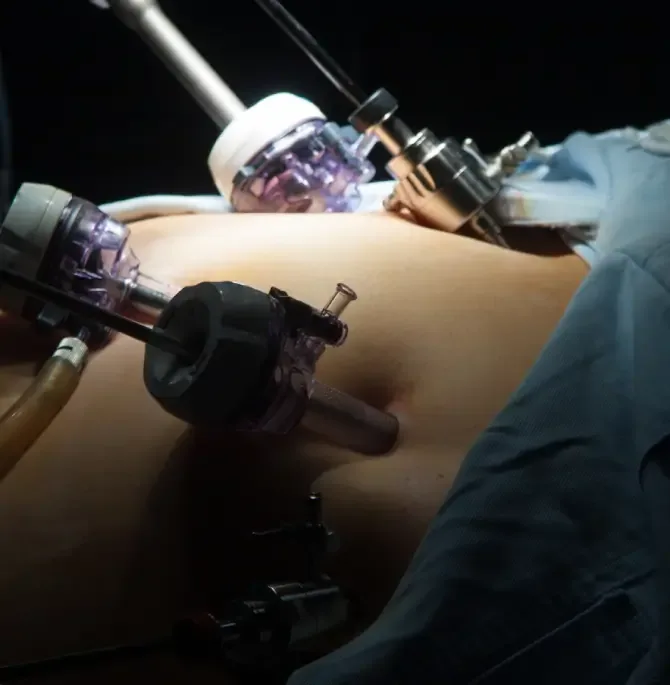
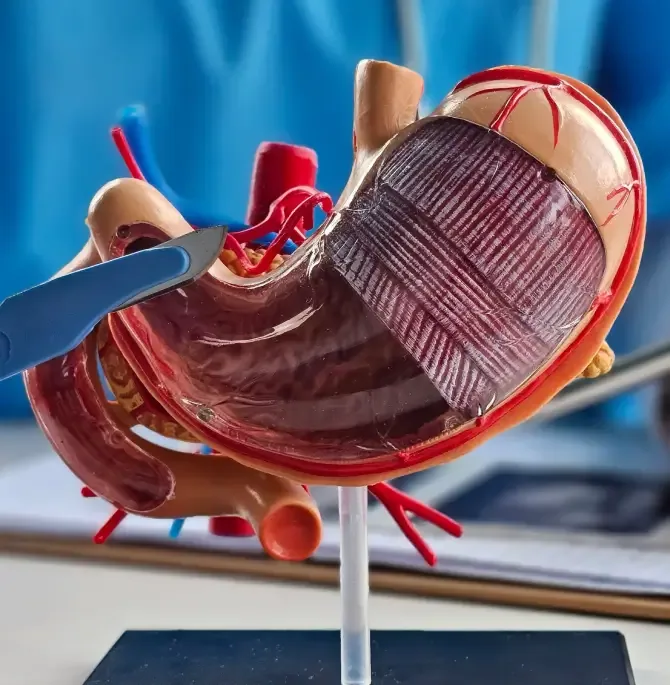
Laparoscopic gastric bypass shrinks the stomach and reroutes part of the small intestine, so you eat less and absorb fewer calories. Since it’s done through small incisions, the recovery is faster and a lot easier to get through than traditional open surgery.
Why Lifestyle Changes Are Essential After Surgery
Surgery is just one of many steps on the path to losing weight. The adoption of healthy behaviors is an absolute must.
- Helps you lose weight and actually keep it off long term.
- Lowers the chances of the weight coming back.
- Gives your body what it needs to heal properly after surgery.
- Reduces the risk of running into nutritional deficiencies down the road.
- Brings your energy levels up and improves how you feel overall.
- Makes managing conditions like Type 2 diabetes and high blood pressure more achievable.
- Builds sustainable eating habits that support long-term weight management.
- Promotes better physical and mental well-being.
Dietary Changes After Gastric Bypass
Following a healthy diet is one of the most important lifestyle adjustments after a laparoscopic gastric bypass surgery.
Eat Smaller Portions
Your stomach is a lot smaller after surgery, and it lets you know pretty quickly when you’ve had too much. Eating small meals throughout the day is the easiest way to stay comfortable and avoid the nausea and overeating that can sneak up on you.
Prioritize Protein Intake
Protein plays a big role in healing after surgery, keeping your muscles intact, and supporting weight loss. Lean meats, fish, eggs, dairy, and plant-based proteins are all solid options to lean on during recovery.
Stay Hydrated
Dehydration is more common after surgery than most people expect. Sipping water and fluids throughout the day helps, but drinking during meals is something to avoid since it can cause discomfort with your smaller stomach.
Avoid High-Sugar Foods
Sugary foods and drinks can trigger dumping syndrome after gastric bypass, which brings on nausea, cramping, dizziness, and diarrhea pretty quickly. Cutting back on sugar isn’t just about managing weight, it’s about feeling okay day to day.
Choose Nutrient-Dense Foods
When you’re eating less overall, what you eat matters even more. Every meal is an opportunity to give your body what it needs, so filling your plate with fruits, vegetables, whole grains, and lean proteins makes a real difference.
Take Recommended Vitamins and Supplements
Gastric bypass changes how your body absorbs nutrients, which means some gaps are bound to show up. Most patients need to take vitamins and supplements daily to keep things like iron, calcium, vitamin B12, and vitamin D at the right levels.
Habits to Avoid After Gastric Bypass
Certain habits can interfere with recovery and long-term success after surgery.
- Eating too fast or pushing past the point of fullness.
- Reaching for carbonated drinks.
- Making high-sugar or high-fat foods a regular habit.
- Skipping meals throughout the day.
- Drinking liquids while eating.
- Smoking or using any tobacco products.
- Drinking alcohol in excess.
- Missing follow-up appointments with your care team.
- Sitting around too much and not staying active.
- Forgetting to take your prescribed vitamins and supplements.
Final Thoughts
Getting the surgery done is a big step, but it’s what comes after that really counts. The eating habits, the activity, the hydration, the follow-up visits, those are what make the results stick. At Advanced Houston Surgical , we’re with you every step of the way. Call us at (713) 263 3900 to schedule your appointment today.
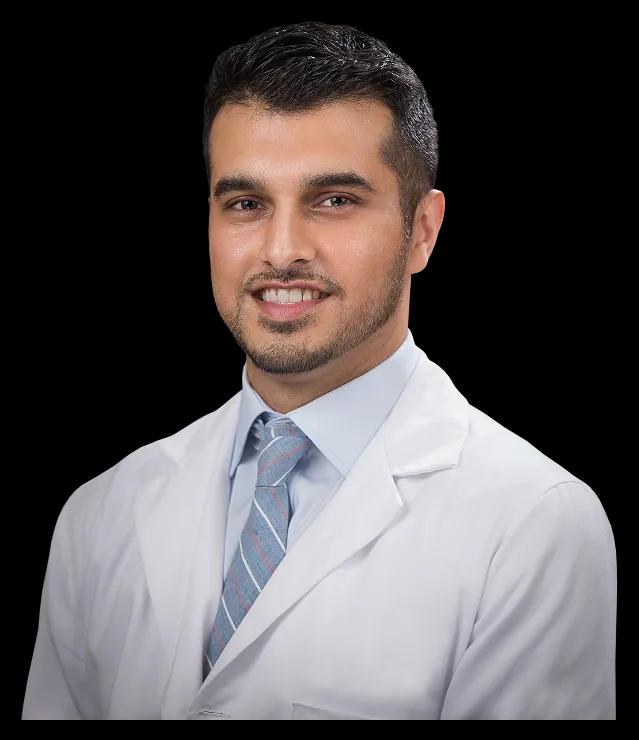
About the author: Dr. Rizwan Chaudhry
Dr. Rizwan Chaudhry is a board-certified bariatric and general surgeon in Houston. He completed his general surgery residency at the Mayo Clinic and a fellowship in advanced laparoscopic and bariatric surgery at the Cleveland Clinic, and he is Medical Director of the Weight Loss and Metabolic Center. At Advanced Houston Surgical he performs weight loss, anti-reflux and general surgery. Read Dr. Chaudhry’s full bio.
Medical disclaimer: This page is for general information only and is not a diagnosis or medical advice. Results vary from patient to patient. Please talk with a qualified physician about your own situation. Read our full medical disclaimer.