Symptoms of Paraesophageal Hernia
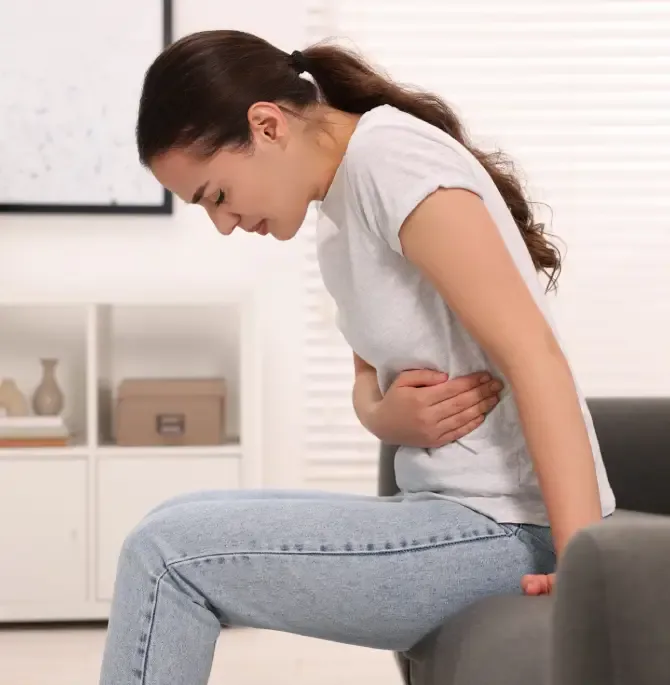
Paraesophageal hernias do not usually present with typical symptoms like heartburn, as seen in GERD. Instead, patients may experience symptoms related to the physical compression of the stomach within the chest, which include:
- Upper abdominal or chest pain
- Early satiety
- Trouble swallowing (dysphagia)
- Shortness of breath (dyspnea)
- Anemia or melena
- Nausea and vomiting
The Surgical Procedure for Paraesophageal Hernia Repair
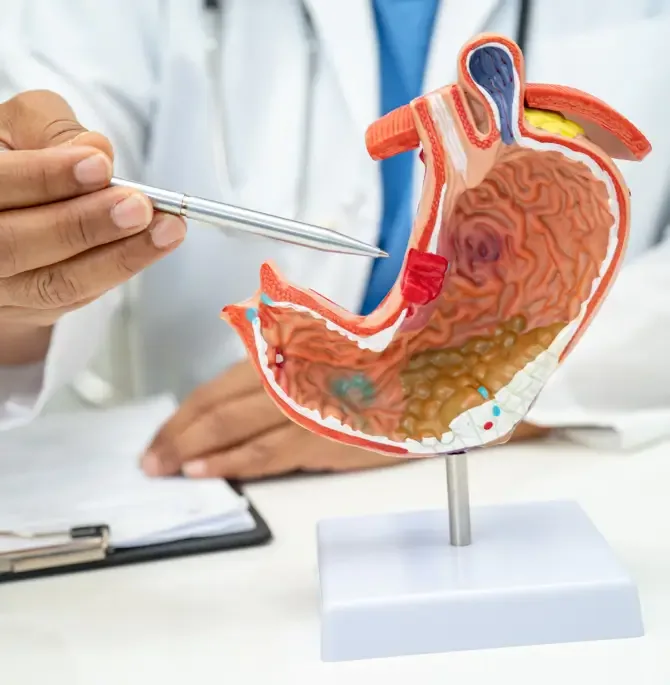
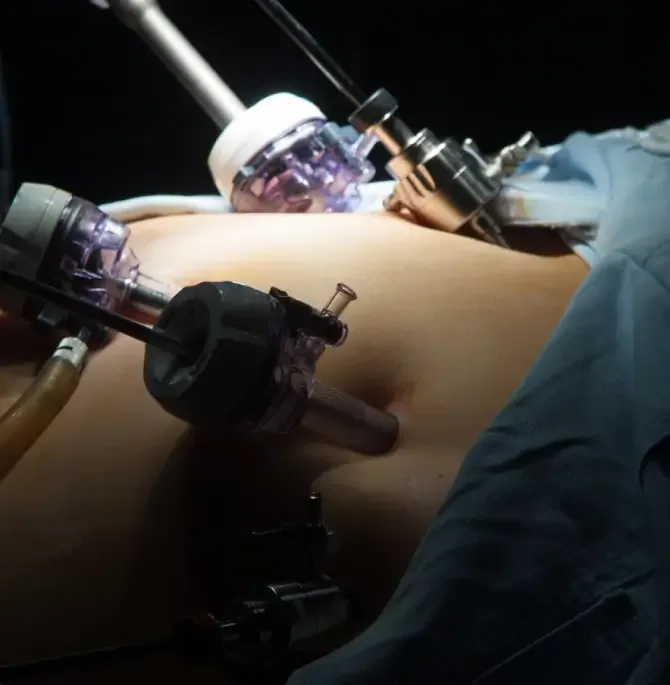
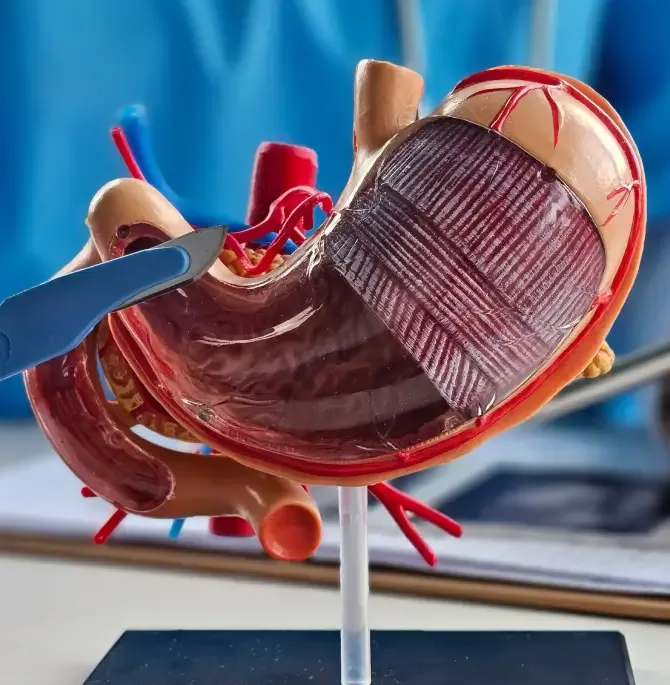
The main goal of the operation for repairing a paraesophageal hernia is to bring the stomach back to its rightful place in the abdomen and fix the gap in the diaphragm. During the procedure, Dr. Chaudhry carefully returns the stomach and any displaced organs to their proper position within the abdomen.
The hernia sac that allows the stomach to protrude into the chest is surgically removed to help prevent recurrence. Additionally, the enlarged opening in the diaphragm (esophageal hiatus) is carefully tightened and reinforced with strong sutures.
In certain cases, this may be followed by an additional procedure involving the placement of a mesh. The surgeon might also perform a gastropexy or a fundoplication to help keep the stomach in its proper place.