What Foods Should You Avoid After Lap Band Removal?
Your body needs time to heal after a lap band removal surgery. It is a step-by-step approach, which also includes your diet. What you eat determines the overall effectiveness of the treatment.
Patients may experience nausea and bloating after surgery. To support recovery, it is important to understand what foods to eat and avoid.
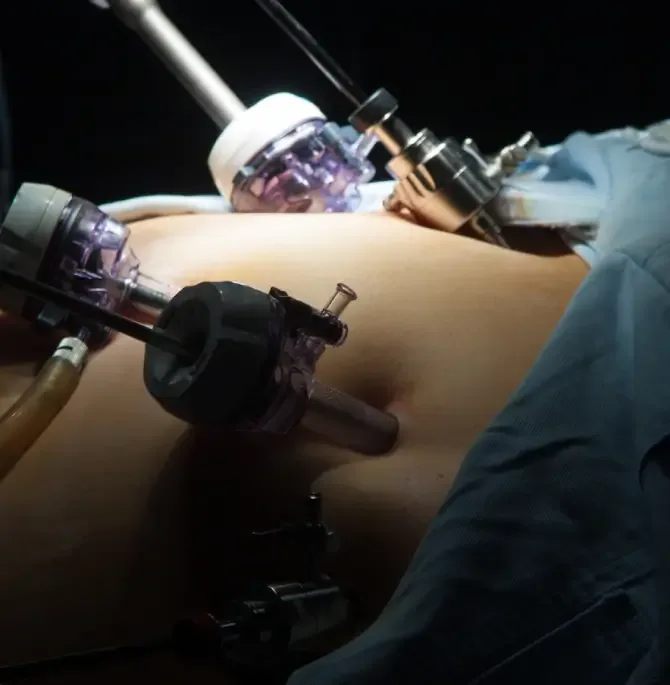
What Is Lap Band Removal?
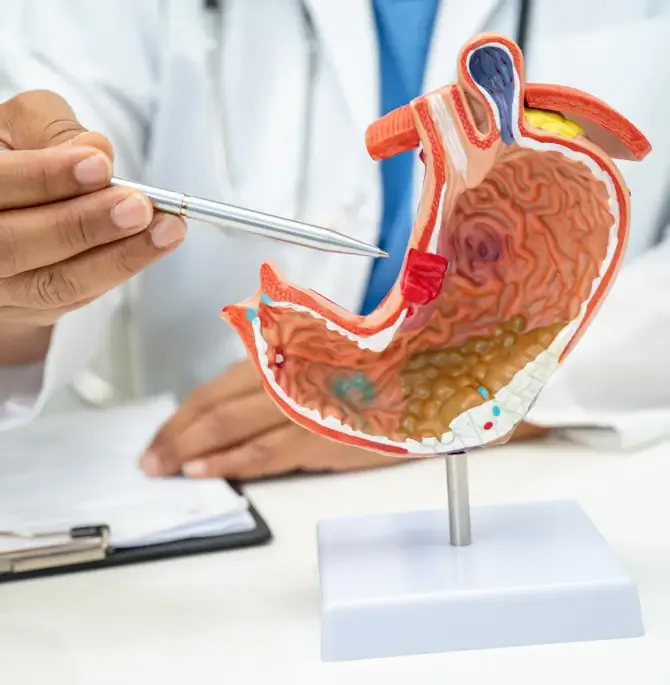
When a gastric band starts causing issues like chronic acid reflux, slipping, or simply isn’t delivering the results you hoped for, removing it is the best way to get your health back on track. After a lap band removal, your stomach needs a period of rest to heal from the years of restriction, which is why your post-op diet is so critical to a smooth recovery.
Why Your Diet Matters During Recovery
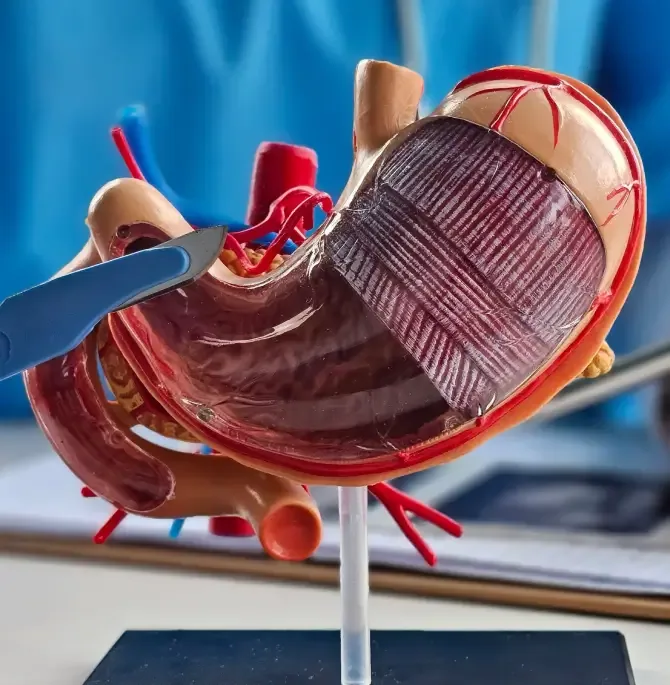
Your stomach is sensitive after the procedure, which is why patients need to be mindful about what they are eating. Here is why diet matters:
- Supports Healing: Eating soft foods reduces irritation around the surgical site.
- Prevents Discomfort: Reduces the risk of bloating and nausea by avoiding heavy foods.
- Reduces the Risk of Vomiting: Greasy foods can increase the risk of vomiting and discomfort.
- Helps You Stay Hydrated: Staying hydrated supports recovery and helps maintain energy levels.
- Allows the Stomach to Adjust: Post-surgery, your stomach needs time to adjust.
Foods to Avoid After Lap Band Removal
Here are some food items that you need to avoid after a band removal procedure:
Greasy Foods
Fried food is not easy to digest following the surgery and will result in bloating almost immediately after eating.
Spicy Foods
Spicy foods are known for triggering acid reflux and irritating your stomach lining while it’s still sensitive.
Carbonated Drinks
Avoid anything with carbonation. These drinks have air in them that expands in your stomach and causes sharp gas pains and a feeling of fullness that can be very uncomfortable post-surgery.
Tough Meats
Steak and other chewy meats are difficult to swallow, which affects digestion. These foods are difficult to digest, especially during early recovery.
Desserts
Sugary treats might look tempting, but eating them can upset your stomach. Also, desserts have little nutrition, which means they offer less energy value than other nutritious foods.
Alcohol
Alcohol interferes with your medications. Also, it irritates the stomach lining, which increases the risk of dehydration.
Recommended Foods During Recovery
Here are some soft food items that you can have during recovery:
- Yogurt
- Applesauce
- Mashed potatoes
- Scrambled eggs
- Oatmeal
- Smoothies
- Cottage cheese
- Soups
- Bananas
- Rice
- Chicken
- Soft fish
- Herbal tea
- Protein shakes
- Electrolyte drinks
How Long Dietary Restrictions Typically Last
The restrictions vary from patient to patient. Typically, you would have to follow a soft food diet for several days to a few weeks. Before returning to a normal diet, it is important to consult your healthcare professional.
Final Thoughts
Avoiding greasy and heavy food items reduces discomfort and helps you heal faster. It is always important to follow your doctor’s instructions to avoid any complications.
For personalized treatment and aftercare, you can always trust Advanced Houston Surgical. We help you every step of the way and support your recovery phase. Give us a call at (713) 263-3900 to schedule your visit today!

About the author: Dr. Rizwan Chaudhry
Dr. Rizwan Chaudhry is a board-certified bariatric and general surgeon in Houston. He completed his general surgery residency at the Mayo Clinic and a fellowship in advanced laparoscopic and bariatric surgery at the Cleveland Clinic, and he is Medical Director of the Weight Loss and Metabolic Center. At Advanced Houston Surgical he performs weight loss, anti-reflux and general surgery. Read Dr. Chaudhry’s full bio.
Medical disclaimer: This page is for general information only and is not a diagnosis or medical advice. Results vary from patient to patient. Please talk with a qualified physician about your own situation. Read our full medical disclaimer.