Understanding Colon Polyps and Surgery: A Medical Guide for Houston Patients

When Surgical Intervention Is Necessary for Colon Health and Polyp Management
By Dr. Rizwan Chaudhry, MD, Board-Certified General Surgeon
Introduction
As a board-certified general surgeon with Mayo Clinic and Cleveland Clinic fellowship training, I often see families searching for answers about colon polyps and surgery here in Houston, TX. Colon polyps are small growths inside the large intestine; most are harmless, but certain types may carry a risk for cancer. Knowing when surgery becomes necessary is essential for your peace of mind and long-term colon health.
For many patients, polyps can be removed without traditional surgery—minimally invasive techniques and regular surveillance play a key role. Research (opens in a new tab) suggests endoscopic removal is effective for most polyps, but surgery remains important for those too large or showing suspicious changes. I help patients navigate these options with clear, compassionate guidance as a fellowship-trained bariatric specialist.
If you’ve worried about family responsibilities or felt anxious about what a diagnosis could mean, know that safe, patient-first care—and hope—is available right here in Houston.
What Are Colon Polyps?
Definition and Types
When I talk with patients about colon polyps, I explain that these are small growths that form on the inner lining of the colon. Most polyps are benign, but some can develop into cancer over time. There are several types, including adenomatous (which can become cancerous), hyperplastic, and serrated polyps. Understanding the type is key to planning the safest next steps for your colon health.
Having performed thousands of colonoscopies and polyp removals throughout my career , I know firsthand how overwhelming it can feel to even hear the word “polyp.” In my experience, most patients—especially caregivers—come in worried about cancer and about what it means for their family’s future.
I always emphasize that the vast majority of polyps are detected early, giving us the best chance to address them safely and prevent serious problems down the road. My role is to help you understand your individual risk and guide you through every step, from diagnosis to next steps, so you never have to navigate this alone.
Why Polyps Matter for Families
For many working mothers like Maria in Houston, the thought of a colon polyp brings anxiety—especially when you’re focused on staying healthy for your children. I’ve seen that early detection and removal can ease these worries and help you stay present for your family. Research (opens in a new tab) shows that regular screening and polyp removal are important for long-term prevention of colon cancer.
In my practice, I often reassure patients that most polyps are found early and managed safely, which can be a huge relief for those balancing health and family life.
When Is Surgery Needed for Colon Polyps?
Indications for Surgery
Surgery for colon polyps and surgery is generally reserved for cases where polyps are too large, cannot be removed safely during a colonoscopy, or show signs of invasive cancer. Most polyps are removed endoscopically, but if there’s a high risk of cancer or technical challenges, surgery becomes the safest option. Studies suggest a multidisciplinary approach (opens in a new tab) is best for complex cases.
Over the years, I’ve cared for many patients referred to me after a colonoscopy showed a polyp that couldn’t be safely removed endoscopically. It’s very normal to feel anxious at that point—especially if you’ve never had surgery before or have family responsibilities you’re worried about. I make it a priority to personally review all imaging and pathology, involve our pathologists and gastroenterologists, and talk through all options with you.
Most importantly, I only recommend surgery when it’s truly necessary and when it represents the safest and most effective path for your particular situation. Knowing you’re making an informed decision—based on evidence and expert team input—can make a world of difference in easing your mind.
Addressing Patient Anxiety
I know that for caregivers like Maria, the idea of surgery can be overwhelming—especially when you’re worried about time off work and caring for your family. I always take time to explain why surgery is recommended and what alternatives exist. In my experience, clear communication helps reduce fear and empowers patients to make informed decisions.
I’ve seen that when patients understand the reasons behind surgery, their anxiety often decreases, and they feel more in control of their health journey.
Endoscopic vs. Surgical Removal: What to Expect
Endoscopic Removal
Endoscopic removal is the first-line treatment for most colon polyps. Using a flexible camera and specialized tools, I can remove polyps without any incisions, for polyps up to 10 mm, cold snare resection is generally recommended due to its safety profile and low risk of bleeding. Most of my patients return home the same day and resume normal activities quickly.
One point I always discuss with my patients is what the latest research actually means for their real-world experience. For example, recent studies have shown that cold snare techniques not only increase safety for small to medium polyps but also lower the risk of delayed bleeding compared to older hot snare methods.
In practice, I’ve watched this translate into smoother recoveries, less post-procedure worry, and more confidence for folks whose busy schedules can’t accommodate setbacks. It’s gratifying to see mothers and caregivers go home the same day and quickly get back to their families—a benefit that matters deeply here in our community.
Surgical Removal
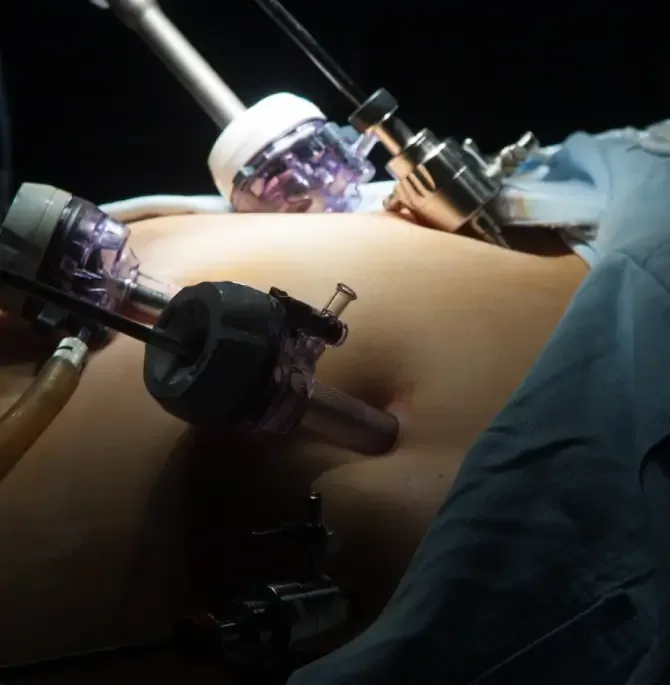
Surgical removal is considered when polyps are too large, have suspicious features, or can’t be safely removed endoscopically. This may involve minimally invasive techniques (opens in a new tab) or, rarely, open surgery. I always discuss the risks and benefits with my patients, especially those from the Greater Houston area who may be balancing work and family.
In my practice, I’ve found that most patients are relieved to learn that surgery is only needed in select cases, and that we prioritize the least invasive approach whenever possible.
Risks, Recovery, and Life After Polyp Surgery
Risks and Safety
Every procedure carries some risk, but research indicates that endoscopic removal is generally well-tolerated, with a low risk of complications like bleeding or infection. For larger or more complex polyps, surgical removal may have a slightly higher risk (opens in a new tab), but careful planning and modern techniques help keep patients safe. I always tailor my approach to each patient’s health and family needs.
As a surgeon trained at the Mayo and Cleveland Clinics, patient safety is always at the forefront of how I plan procedures here in Houston. I monitor for risk factors like polyp size, location, and your personal health history—especially if you’ve struggled with medical conditions that may increase bleeding risk.
Advances in technology, such as prophylactic clipping for certain polyps, have made these procedures safer and more predictable. Many of my patients are surprised (and relieved) to see just how uneventful the recovery can be, even when they started the process feeling understandably anxious about complications.
Recovery and Returning to Family Life
Recovery after endoscopic removal is usually quick—most patients are back to their routines within a day or two. Surgical recovery may take longer, but I work closely with patients to plan for childcare and work leave. For mothers like Maria, I know that minimizing downtime is crucial. I provide detailed instructions and support to help you get back to your family as soon as possible.
I’ve seen many Houston-area patients surprised by how manageable recovery can be, especially with a supportive care team and clear expectations. To hear more about the patient experience, you can see what people are saying about their outcomes and care with our team.
Colon Polyp Surgery in Houston: Dr. Chaudhry’s Approach
My Patient-First Philosophy
At Advanced Houston Surgical, I take a patient-first, judgment-free approach to colon polyps and surgery. My training at the Mayo Clinic and Cleveland Clinic means I bring advanced techniques and a high level of safety to every procedure. I understand that for caregivers, the stakes feel even higher—you want to be there for your family, and you need a surgeon who listens and supports you every step of the way.
Local Expertise and Community Focus
Many of my patients come from neighborhoods like Bellaire and the Medical Center area, seeking expert care close to home. I perform all advanced procedures myself, ensuring continuity and trust. If you’re worried about the logistics of surgery or recovery, know that I’m here to guide you through every detail. You can also visit the Houston Methodist Hospital resource page (opens in a new tab) for more information about colon health and surgical options.
Over the years, I’ve found that what matters most is not just clinical skill, but being truly present for each patient—answering your questions, addressing your unique concerns, and making sure you never feel lost in the system. That’s the promise my team and I make to every Houston-area family who walks through our doors: you’ll always have a clear, compassionate advocate at your side from start to finish.
Community Voices Online
As a board-certified, fellowship-trained surgeon serving Houston and surrounding communities, I believe that true surgical care goes beyond technical skill—it’s about building trust, listening deeply, and supporting each person’s journey to better health. My patient-first, judgment-free approach is rooted in years of advanced training at the Mayo Clinic and Cleveland Clinic, and I’m grateful when our community shares their experiences online.
One Google review highlights the impact of this philosophy in our Houston-area practice:
Google Review Spotlight
Sarah: I had the pleasure of having my surgery nearly a year ago with Dr. Chaudhry. I am currently down 96 lbs and I could not be any happier with my results. He was very attentive preo-op and post op. My scars have healed flawlessly. His bed side manner and attention to details was impeccable. I have and will continue to recommend him for his work. He saved my husband and me. We are now happier and healthier than ever.View Full Review on Google (opens in a new tab)
Conclusion
In summary, colon polyps and surgery is a topic that brings understandable anxiety, especially for caregivers worried about cancer risk and family responsibilities. Most polyps can be safely removed endoscopically, but surgery is sometimes necessary for larger or suspicious growths. My approach is always patient-first—grounded in advanced training at the Mayo Clinic and Cleveland Clinic, and focused on clear communication and safety.
If you’re seeking answers or reassurance, know that you don’t have to navigate this alone. I’m here to guide Houston-area patients through every step, so you can regain peace of mind and return to what matters most—your family. As a board-certified general surgeon, I invite you to schedule your consultation to take the first step toward lasting health and confidence.
This article is for educational purposes only and should not be used as a substitute for professional medical advice, diagnosis, or treatment. Always seek the advice of your physician or other qualified healthcare provider with any questions you may have regarding a medical condition or treatment options. Never disregard professional medical advice or delay in seeking it because of something you have read in this article.
Please note: Advanced Houston Surgical does not offer or recruit for clinical trials. References to research are citations of published medical studies only.
Frequently Asked Questions
What are colon polyps, and do they always require surgery?
Colon polyps are small growths on the inner lining of the colon. Most are benign and can be removed during a colonoscopy. Surgery is only considered if a polyp is too large, cannot be safely removed endoscopically, or shows signs of invasive cancer. Studies suggest that early detection and removal are key to preventing complications.
Where can I get colon polyp surgery in Houston?
I see patients at Advanced Houston Surgical, serving the Greater Houston area. Consultations and follow-up care are provided in my Houston office, and I perform surgeries at accredited local hospitals. My goal is to make expert care accessible and convenient for patients from all parts of Houston and the surrounding communities.
I’m a busy caregiver—how can I manage recovery after polyp surgery?
I understand that balancing recovery with family and work is a real concern. Most patients recover quickly after endoscopic removal, often returning to normal routines within a day or two. If surgery is needed, I work closely with you to plan for childcare and time off, providing detailed instructions and ongoing support to ease your transition back to daily life.
Is colon polyp removal safe, and what are the risks?
Evidence indicates that endoscopic removal is generally well-tolerated, with a low risk of complications like bleeding or infection. For larger or more complex polyps, surgical removal may carry slightly higher risks, but careful planning and modern techniques help keep patients safe. I always tailor the approach to your individual health needs and concerns.
Are there alternatives to surgery for colon polyps?
Yes, many polyps can be removed endoscopically without traditional surgery. This minimally invasive approach is effective for most cases. Surgery is reserved for polyps that are too large, have suspicious features, or cannot be safely removed otherwise. I’ll review all options with you to ensure the safest, most effective treatment for your situation.
About the author: Dr. Rizwan Chaudhry
Dr. Rizwan Chaudhry is a board-certified bariatric and general surgeon in Houston. He completed his general surgery residency at the Mayo Clinic and a fellowship in advanced laparoscopic and bariatric surgery at the Cleveland Clinic, and he is Medical Director of the Weight Loss and Metabolic Center. At Advanced Houston Surgical he performs weight loss, anti-reflux and general surgery. Read Dr. Chaudhry’s full bio.
Medical disclaimer: This page is for general information only and is not a diagnosis or medical advice. Results vary from patient to patient. Please talk with a qualified physician about your own situation. Read our full medical disclaimer.